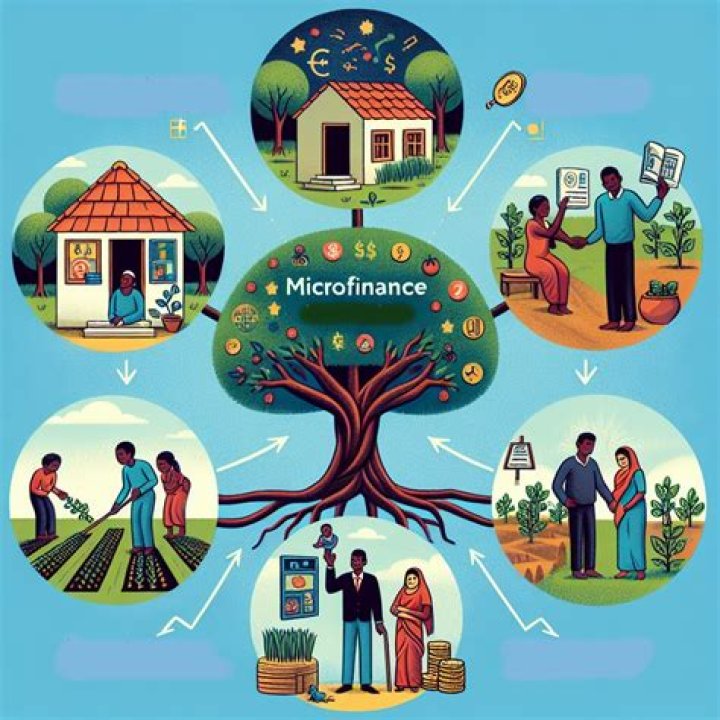
Strategically, microfinance plays a vital role for the poor to raise their own microenterprises to escape from poverty (Al-Mamun et al. 2014a; Imai et al....
If you have not been properly served, and you don’t show up, the court has no personal jurisdiction over you, and can’t enter a judgment against you. The ...
Can private student loans be discharged in bankruptcy? You can discharge private student loans in bankruptcy, but first, you have to file a Chapter 7 bank...
If I file for bankruptcy, can I keep my property? If you file for Chapter 13 bankruptcy, the answer is yes. In exchange, you may keep your property (inclu...
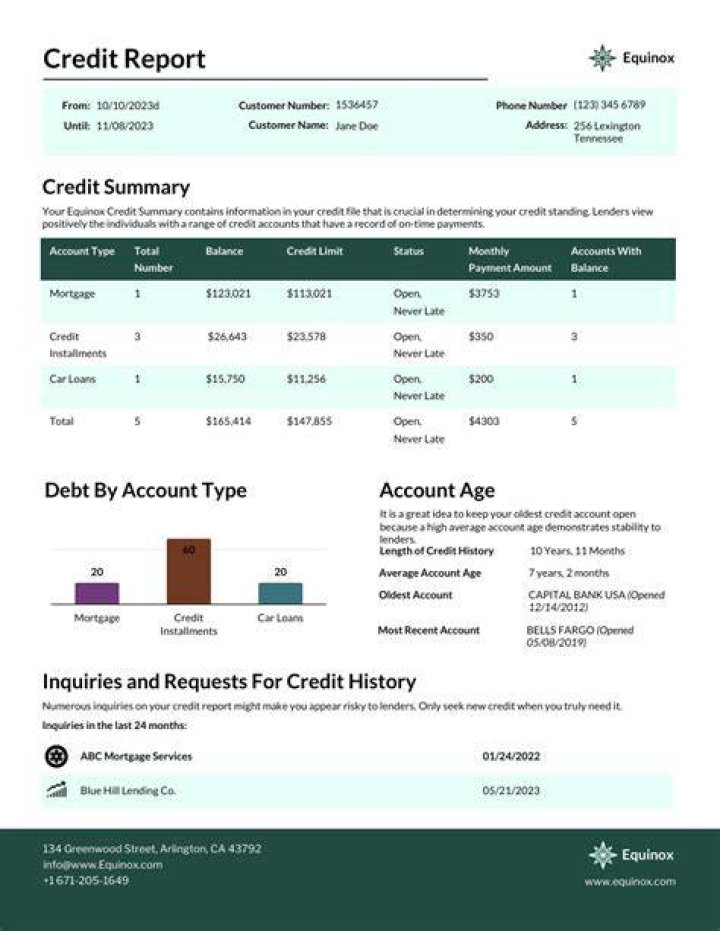
If you believe that you have been, or may be likely to become, a victim of fraud, you can request that Equifax ‘suppress’ or ‘freeze’ your credit report, ...
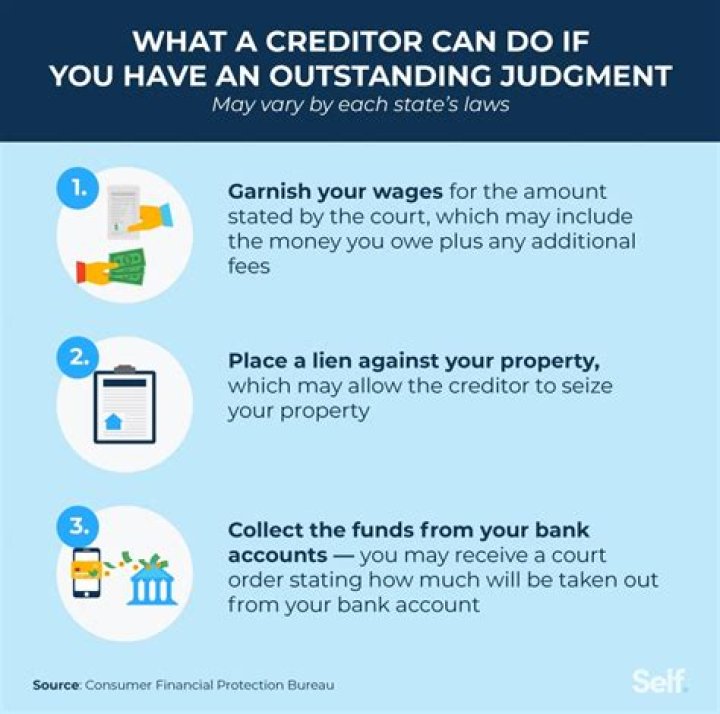
You are called the Judgment Creditor and the person who owes you the money is the Judgment Debtor. The money you spend to collect your judgment are your c...
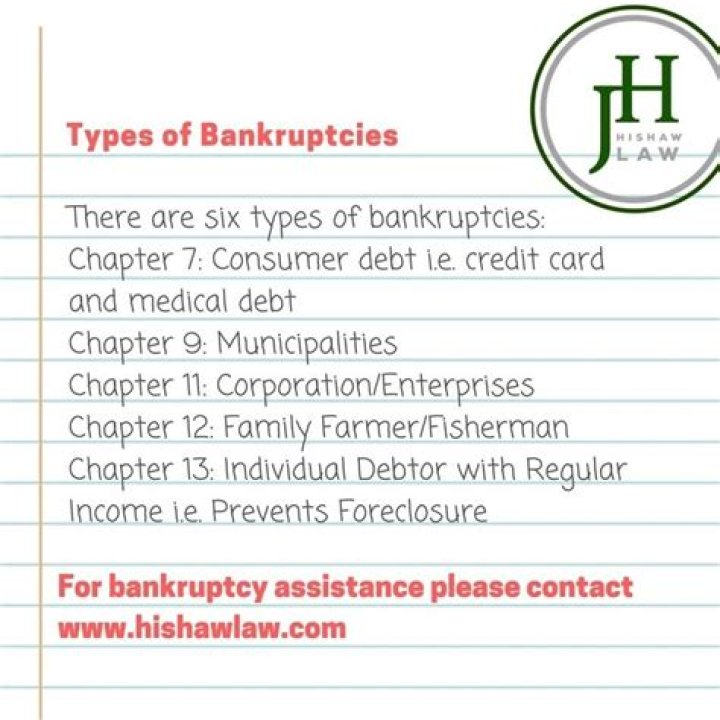
There are several types of bankruptcy. The most common types are Chapter 7, Chapter 13, and Chapter 11. Chapter 7 Bankruptcy forgives you of most of your ...
A married individual may file a joint or individual bankruptcy case during a marriage or ongoing divorce matter. If spouses are jointly liable to a credit...
Many mortgage companies will not lend to borrowers who have open or recently paid judgments. Judgments also keep credit scores low and can make them so lo...
Equifax scores range from 0-700. 380-419 is considered a fair score. A score of 420-465 is considered good. A score of 466-700 is considered excellent (re...